
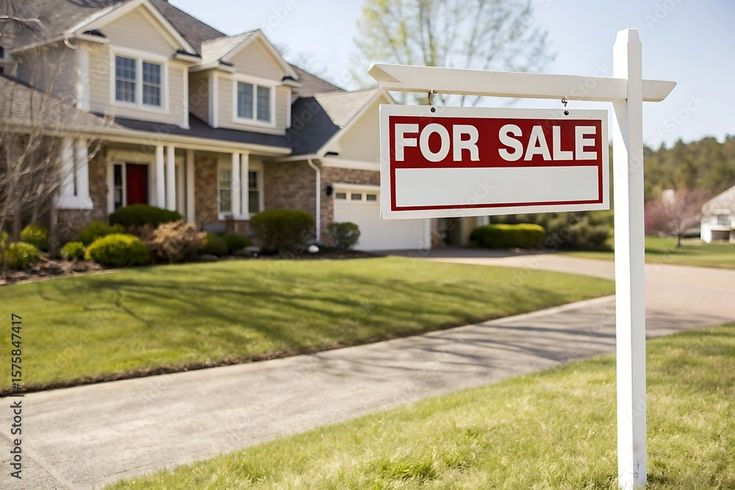
Why Is My Home Not Selling?
Understanding the common reasons — and what you can do about it
Selling a home can feel exciting at first… until weeks turn into months with little activity. If your home isn’t selling, you’re not alone. In today’s shifting real estate market, there are several key factors that may be affecting your success. The good news? Most of them can be fixed.
1. Pricing Is Not Aligned With the Market
The number one reason homes don’t sell is price. Even in a strong market, buyers are savvy and compare multiple listings. If your home is priced higher than similar homes nearby, it may sit — no matter how beautiful it is.
What to consider:
-
Review recent comparable sales (not just active listings)
-
Understand current market trends and days on market
-
Be open to strategic price adjustments
Remember: the longer a home sits, the more buyers begin to wonder what’s wrong with it.
2. First Impressions Matter More Than Ever
Buyers decide quickly — often within seconds — whether they feel emotionally connected to a home. Poor curb appeal, clutter, outdated décor, or lack of staging can turn buyers away before they even see the full potential.
Simple improvements can make a big impact:
-
Fresh landscaping and pressure washing
-
Neutralizing paint colors
-
Professional staging or decluttering
-
Bright, clean, inviting spaces
A well-presented home helps buyers imagine their future there.
3. Marketing May Not Be Reaching the Right Buyers
In today’s digital world, most buyers start their search online. If your home’s photos, videos, or online exposure are not strong, buyers may scroll right past.
Effective marketing should include:
-
Professional photography and video
-
Strong online presence across multiple platforms
-
Targeted social media promotion
-
Agent networking and open houses
Exposure equals opportunity.
4. The Condition of the Home
Buyers are often looking for “move-in ready.” Needed repairs, aging roofs, outdated systems, or visible maintenance issues can make buyers hesitant — or lead to low offers.
Ask yourself:
-
Are there obvious repairs needed?
-
Would a pre-listing inspection help?
-
Are upgrades needed to compete with similar homes?
Small investments upfront can lead to stronger offers later.
5. Market Conditions Have Shifted
Interest rates, inventory levels, and seasonal trends all influence buyer activity. Sometimes the issue isn’t your home — it’s timing.
What helps:
-
Understanding whether you’re in a buyer’s or seller’s market
-
Adjusting strategy rather than waiting passively
-
Being flexible on terms, not just price
Real estate is dynamic, and strategy matters.
6. Limited Showing Availability
If buyers or agents cannot easily schedule showings, they may move on to more accessible homes.
Best practice:
-
Keep showing windows as open as possible
-
Maintain the home in show-ready condition
-
Be prepared for short-notice requests
Convenience increases buyer traffic.
Final Thoughts
If your home isn’t selling, it’s not a failure — it’s feedback from the market. With the right adjustments in pricing, presentation, marketing, and strategy, most homes can successfully sell.
Every property has a buyer. The key is positioning your home so that buyer can see its true value.
If you’re wondering what specific changes could help your home sell, a professional market review can provide clarity and direction.